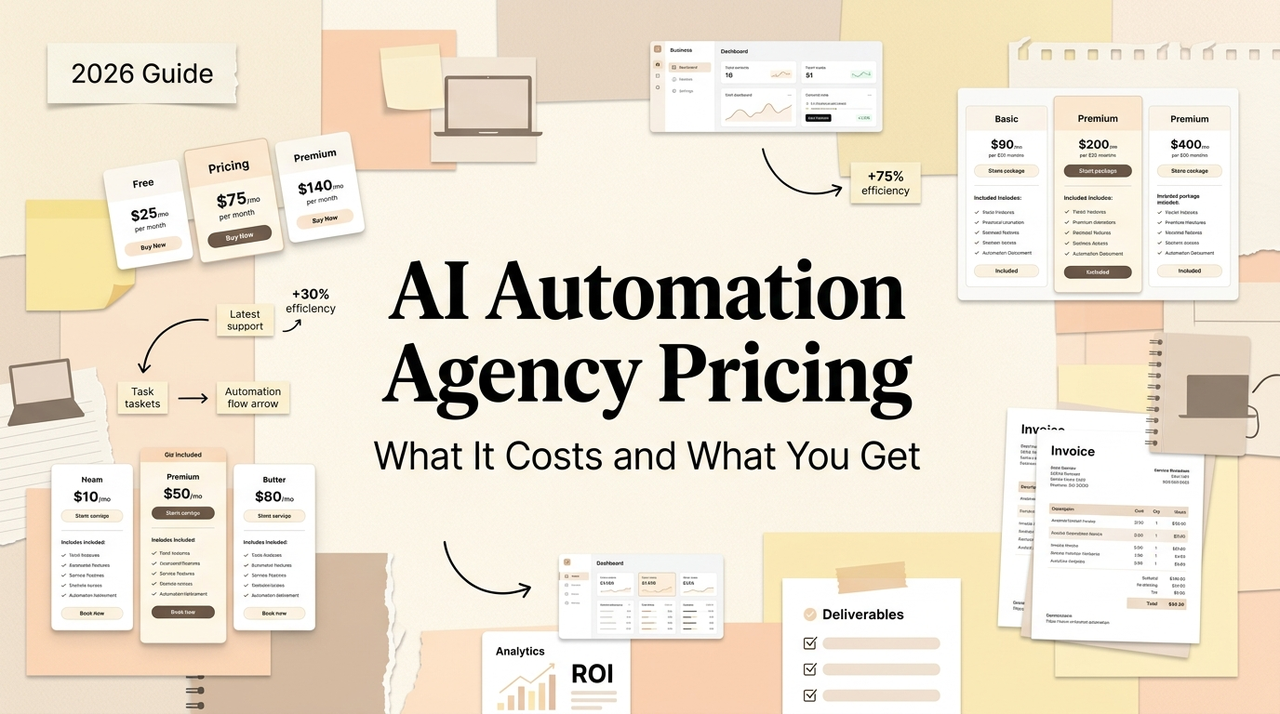
AI Automation Agency Pricing: What It Costs and What You Get
AI automation agency pricing broken down: what they charge, what's included, and how to decide if hiring one makes sense for your situation.
Hi, I'm Nova, a creator and AI learner who’s always excited to explore new tools. In my everyday work, I dive into AI tools and write about my real learning experiences with them. I spent the last few months talking to three different AI automation agencies for a client project. One quoted me $2,500. Another came back at $18,000. For what sounded like roughly the same thing.
That experience is what pushed me to actually dig into how ai automation agency pricing works — not the marketing version, but what's really happening when you get on a call and someone gives you a number. If you're evaluating this spend right now, here's what I've pieced together so far.
What AI Automation Agencies Actually Do
Before getting into costs, it's worth being clear about what you're actually buying. An AI automation agency isn't just handing you a chatbot or connecting two apps together. At least, not the ones worth hiring.
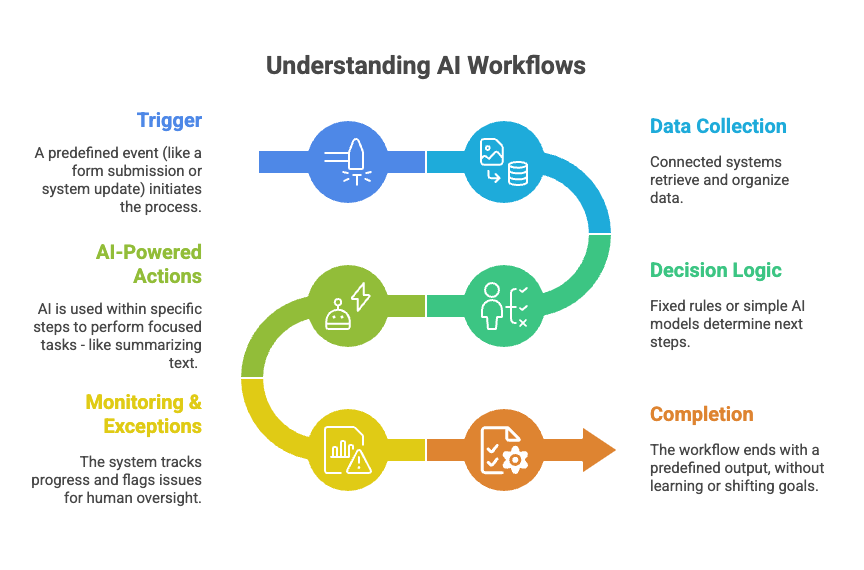
What they typically do is audit your existing workflows, identify where AI can replace manual steps, build the automations, and (sometimes) maintain them after launch. That could mean setting up an AI-powered customer support flow, automating lead qualification, building internal document processing pipelines, or connecting a handful of tools so data moves between them without someone copy-pasting in between.
The scope varies wildly. Some agencies focus on a single vertical — say, e-commerce returns or real estate lead routing. Others position themselves as full-service AI consultancies. According to McKinsey's State of AI report, close to 88% of organizations now use AI in at least one business function, but most haven't figured out how to scale it across their operations. That gap is exactly where these agencies live.
The thing that matters most, though, isn't what they can do. It's whether the specific automation they're proposing actually maps to a real bottleneck in your workflow. I've seen agencies propose beautiful systems for problems that didn't really exist.
How They Price Their Work
This is where it gets messy. There's no industry standard. But after looking at a bunch of proposals and talking to people who've hired these agencies, three models keep showing up.
Project-based
You define a scope — say, an automated onboarding email sequence with AI-generated personalization — and the agency quotes a flat fee. Based on what I've seen and what community data from forums like r/automation confirms, standalone automation projects typically land between $2,000 and $15,000. Simple single-workflow builds sit at the low end. Multi-system integrations with custom LLM layers push toward the higher end.
This model is clean. You know what you're paying. But it also means once the project is delivered, you're on your own unless you negotiate ongoing support separately.
Retainer models
After a project wraps, many agencies pitch a monthly retainer to keep things running. This covers monitoring, fixing things when APIs break (and they do break), updating prompts, and sometimes building new automations on top of what's already there.
Retainers generally range from $500 to $5,000 per month, depending on how many automations are in your stack and how much ongoing building you need. I checked a few agency pricing pages — Digital Agency Network's pricing breakdown puts AI automation monitoring retainers in a similar range, with the higher end reserved for clients running complex multi-system setups.
One thing I noticed: the retainer is often where the real money is for agencies. The initial project gets you in the door. The retainer is the long game.
Per-workflow pricing
Some agencies charge per workflow or per automation run. This is less common but growing, especially as tools like Zapier, Make, and n8n have normalized the idea of paying based on usage volume. An agency might build your system and then charge based on how many times it fires each month.
This can work well if your volume is predictable. It gets expensive fast if it's not. I haven't fully wrapped my head around which situations this model fits best — I'd say it's worth asking about but worth scrutinizing the math before agreeing.
What Drives the Cost Up or Down
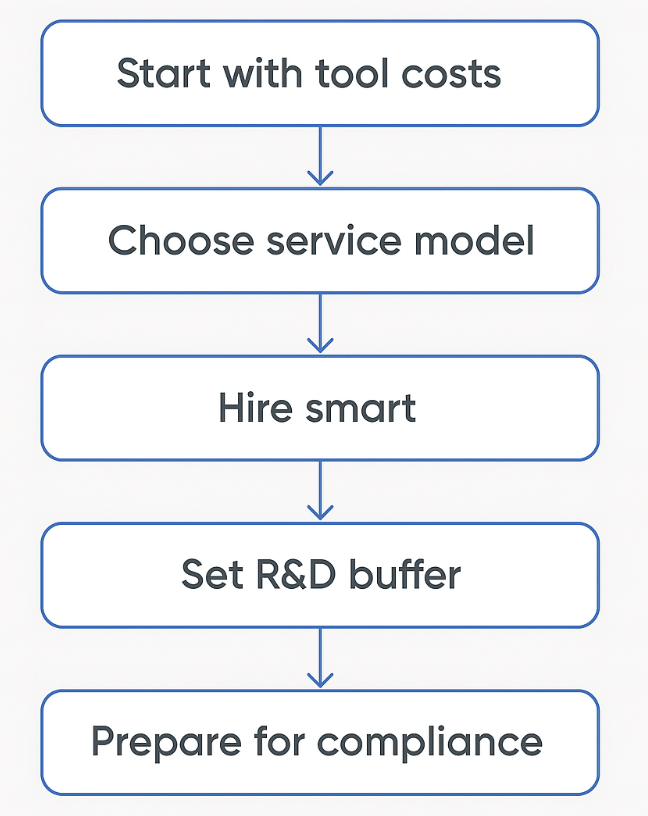
The price range is wide because the variables are wide. Here's what I've noticed actually moves the number:
Number of systems involved. Connecting two tools is a different job than connecting six. Each integration adds complexity, testing time, and failure points.
Custom AI logic vs. off-the-shelf. If the agency is using pre-built templates on Make or n8n, the cost stays lower. If they're building custom LLM pipelines, training prompts on your data, or creating AI agents that handle multi-step reasoning, that's a fundamentally different project.
Your internal readiness. This one surprised me. Agencies consistently told me that clients who come in with messy data, no documentation, and unclear processes cost significantly more — not because the agency is padding the bill, but because the discovery phase takes longer. Gartner has noted that workflow redesign is one of the biggest factors in whether AI deployments actually deliver results. That redesign work often falls on the agency's plate, and they charge for it.
Industry compliance requirements. Healthcare, finance, legal — if your workflows touch regulated data, expect the price to go up. The agency has to build with compliance in mind, and that takes more time and more care.
What's Usually Included — and What's Often Not
Standard deliverables
Most proposals I've seen include: a discovery or audit phase, the actual automation build, basic testing, deployment, and some form of documentation. A few agencies also include a short training session so your team knows how to use what was built.
What most agencies skip by default
Here's the part that caught me off guard. A lot of agencies don't include ongoing monitoring, prompt optimization, or error handling in the initial project fee. They'll build it, hand it over, and move on unless you're on a retainer.
Also commonly missing: performance benchmarking (did this actually save you time or money?), scaling the automation to other departments, and adapting workflows as the underlying AI models get updated. These aren't small things. If an API changes or a model version gets deprecated, your automation can quietly break without anyone noticing.
I'd ask about all of this before signing anything.
When Hiring One Makes Sense
If you're running a small team and you've identified a specific, repetitive process that eats hours every week — lead qualification, content repurposing, customer data entry, report generation — an agency can build something in a few weeks that would take you months to figure out on your own.
It also makes sense when the cost of the automation is clearly less than the cost of the manual work it replaces. One source I read put it this way: a good agency pitches the price as a function of your ROI, not their hours. That framing makes the spend easier to evaluate.
And if your team doesn't have someone who's comfortable building workflows in tools like n8n or Make, the agency is essentially buying you time and expertise you don't have in-house.
When It Probably Doesn't
When tools already cover the need
Okay, this one is important. I've seen people pay agencies $5,000+ for automations that Zapier or Make could handle with a two-hour setup. If your need is "when a form is submitted, add the data to a spreadsheet and send an email," you do not need an agency. You need a free afternoon and a Zapier account.
Before hiring anyone, spend a day testing whether the workflow can be built with existing no-code tools. If it can, save your money.
When requirements keep shifting
This is the one agencies don't talk about much. If you're still figuring out your process — if the workflow you want automated changes every two weeks because the underlying business logic isn't settled — an agency engagement is going to be painful. They'll build something, you'll change the requirements, they'll rebuild, and everyone ends up frustrated.
Automation works best when the process it's automating is stable and well-understood. If you're still experimenting, build manually first. Automate later.
Questions to Ask Before You Sign
These aren't generic "ask about their portfolio" questions. These are the ones that actually gave me useful signal when I was evaluating agencies:
"What happens when an API we depend on changes?" This tells you whether they've thought about maintenance or just delivery. If they shrug, that's your answer.
"Can you show me a workflow you built that broke, and how you fixed it?" Any agency that says nothing has ever broken is either lying or hasn't built anything complex. The good ones have war stories and process for handling failure.
"What's included in the retainer, specifically?" Get a list. "Ongoing support" means nothing. You want to know: how many hours, what response time, does it include new builds or just maintenance.
"What tools are you building on, and who owns the workflows after delivery?" Some agencies build on proprietary platforms. If you leave, your automations leave with them. Make sure you own what you paid for.
"What does success look like in 90 days?" If they can't answer this with something measurable, the engagement is going to be hard to evaluate after the fact.
FAQ
How long does a typical AI automation project take?
Most standalone projects take two to six weeks. More complex multi-system builds can stretch to two or three months. The discovery phase alone can take one to two weeks if your processes aren't well-documented.
Can I build AI automations myself instead of hiring an agency?
Honestly, for a lot of use cases — yes. Tools like Make, n8n, and Zapier have gotten good enough that a non-technical person can build useful workflows without writing code. The agency becomes worth it when the automation involves multiple interconnected systems, custom AI model integration, or when you simply don't have the bandwidth to learn the tools yourself.
Is there a risk of getting locked into a bad contract?
It happens. Some agencies use proprietary systems or lock workflows behind their accounts. Before you sign, confirm that you retain ownership of all automations, prompts, and workflows built during the engagement. Also check the retainer cancellation terms — some have 60- or 90-day notice requirements. Read the contract carefully.
That's my honest take on where ai automation agency pricing stands right now. The market is still maturing, the price ranges are wide, and the quality gap between agencies is real. If you're evaluating this spend, the best thing you can do is get specific — specific about what you need automated, specific about what success looks like, and specific about what happens after the build is done.
Alright, that's today's little discovery. If you're going through this evaluation yourself, I'd be curious what you find.
Further Reading
Get automation tips for your workflow
Weekly insights for non-technical professionals. No spam ever.